For specifiers, landscapers and buyers building a product range
Decorative Pebble Sizes and Where Each One Works
Size is the single most useful thing to get right. This guide maps common size bands to the applications they actually suit.
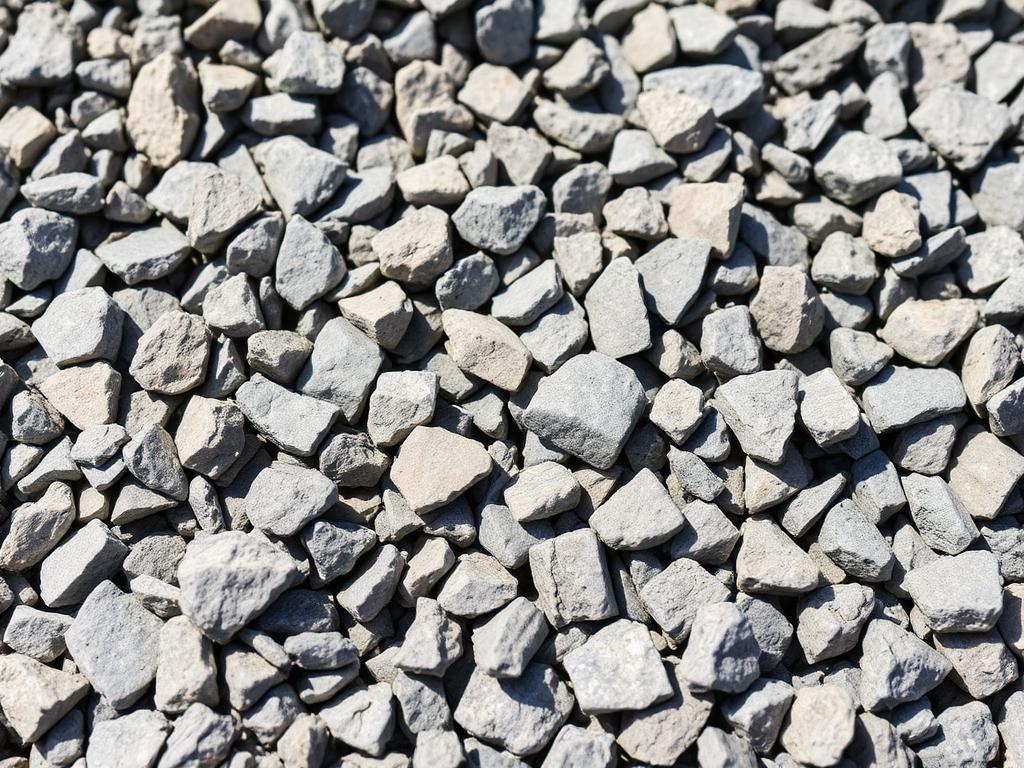
Small grades: 5–12 mm
Comfortable underfoot and easy to spread evenly, these grades suit footpaths, pot topping, terrariums and fine decorative work. The trade-off is that small stone is carried indoors on shoes and shows dust sooner.
Medium grades: 10–40 mm
This is the workhorse range for garden beds, borders, drainage layers and retail bagged product. If you are stocking a single size to start with, 10–20 mm covers the widest set of uses.
Large grades: 40–100 mm
Used where visual weight is wanted: feature beds, pond edging, dry creek beds and areas where a smaller stone would migrate. Larger stone also stays cleaner in open, dusty sites.
Feature stones above 100 mm
Cobbles and feature stones are placed rather than spread. They anchor a scheme visually and are usually bought in small quantities alongside a bulk grade.
Depth guidance
A 40–50 mm layer is typical for decorative cover over a membrane. Deeper layers waste material and feel unstable underfoot; shallower layers let the base show through.
Mixing sizes within one scheme
Combining a small ground-cover grade with an occasional larger feature stone often reads better than a single uniform size across a whole bed, and it uses less of the more expensive larger grade.
Sizing for water features
Water movement can shift lighter, smaller stone over time. Larger grades or a heavier natural mix generally hold their position better around active water features than fine decorative sizes.
Sizing for driveways versus pedestrian paths
Vehicle-trafficked areas need an angular gravel rather than a rounded pebble at any size, since rounded stone displaces under tyre weight. Reserve rounded pebble for pedestrian paths and purely decorative zones.
A simple size-selection checklist
Work through these questions before settling on a size band for a project.
- — Will the area be walked on, driven on, or purely decorative?
- — Is the site sloped, where smaller stone may migrate over time?
- — Is there active water movement nearby?
- — Will the layer sit over a membrane, and what depth is planned?
- — Does the scheme need a feature size alongside the main ground-cover grade?
Worked example: sizing two beds and a path
A typical residential job might use 10–20 mm pebble for two planted beds, a 40–60 mm grade for a dry creek feature, and reserve any pedestrian path for the same 10–20 mm grade for visual consistency. Keeping the ground-cover grade the same across beds and paths, and reserving the larger grade purely for the feature, usually reads more cohesive than introducing a third distinct size.
Related questions
- Can different sizes be combined in one order?
- Yes, mixed-size orders are common for buyers building a layered scheme rather than a single flat bed.
- Is rounded pebble ever suitable for driveways?
- Generally no for the trafficked surface; angular gravel holds position far better under vehicle weight, with pebble reserved for borders and edges.
Products covered in this guide
More guides in our export resources library (10 guides), or browse country export pages.