Pea Gravel — Rounded 6–12 mm Gravel for Paths, Patios and Beds
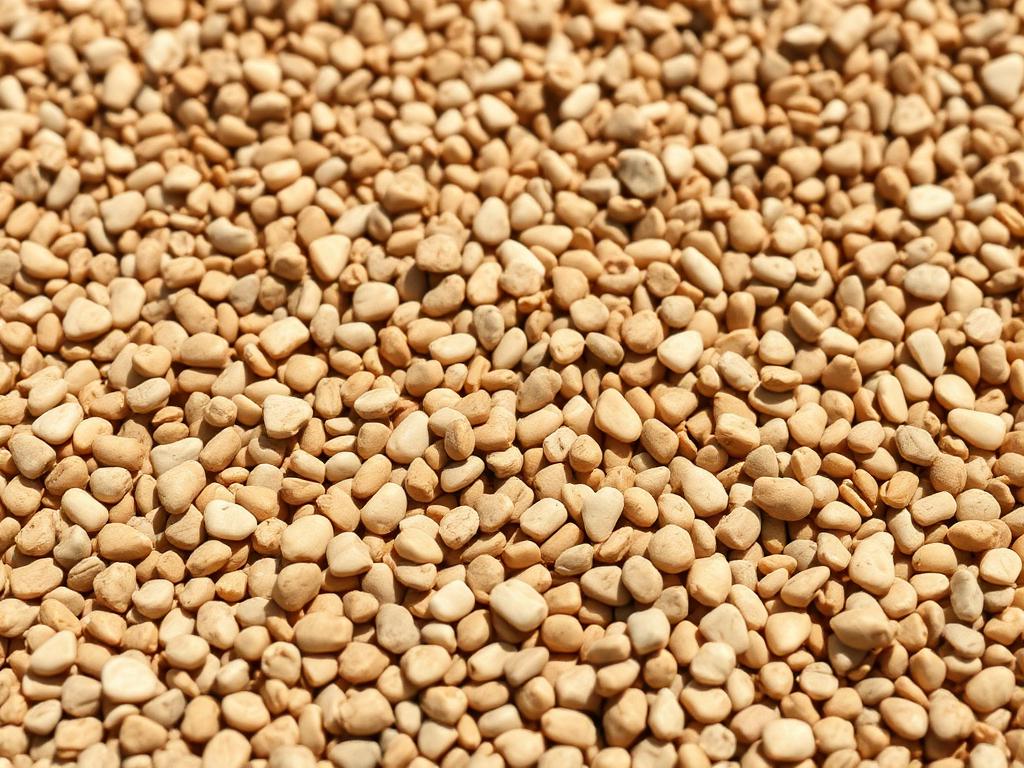
Pea gravel is the size band most buyers ask for first: small, rounded and comfortable underfoot. We screen it to a tight 6–12 mm range in natural buff, grey, honey and mixed tones, so bags on a shelf look the same as the sample you approved.
- Screened 6–10 mm and 10–12 mm bands
- Naturally rounded — no sharp edges underfoot
- Washed to remove fines and dust
- Bulk, jumbo bags, 20–25 kg bags or retail packs
Available sizes
- 4–8 mm
- 6–10 mm
- 8–12 mm
- 10–20 mm
Applications
- Garden paths and walkways
- Patio and seating-area surfacing
- Playground and pet-area ground cover
- Drainage layers and French drains
- Planting beds and pot topping
Typical buyers
- Landscape supply yards
- Garden centres
- Builders merchants
- Retail importers
Pea gravel vs crushed gravel
Pea gravel is rounded, so it feels good to walk on but migrates on slopes and under vehicle traffic. Crushed angular gravel locks together and stays put. Most projects use pea gravel for paths, seating areas and beds, and angular material where cars drive or where the ground falls away.
How much you need
A 40–50 mm decorative depth is standard. As a rough guide one tonne covers roughly 12–14 square metres at that depth. Send the area and depth and we will convert it into tonnage and container quantity before you commit.
Depth and top-ups
Pea gravel settles roughly 10–15% in the first year as it beds in, so quote clients a slightly heavier first fill and a smaller annual top-up rather than one thin layer that thins out fast. A 25 kg bag at 40 mm depth covers about 0.5 square metres, which is the number retail staff need at the till, not the tonne-per-14-square-metre figure used for bulk quotes.
Colour consistency across bags
Buyers lose more repeat orders to colour drift than to price. We hold a reference sample against every screened batch before bagging, and note the batch reference on the delivery paperwork so a garden centre reordering six months later can match what is already on the shelf rather than stocking two visibly different greys side by side.
Freight and payload
Pea gravel is dense, so a standard 20ft container lands around 26–27 tonnes rather than filling out by volume — plan tonnage against payload limits, not cubic space. Jumbo bags at roughly 1 tonne each load faster and reduce handling damage compared with palletised 25 kg bags for the same tonnage.
Pre-shipment sample approval
We send a physical sample or batch photograph against your specified size and colour before any bulk order is screened, and hold that reference against the production run. Sign-off happens before loading starts, not after, so what you approve is what leaves the yard. For repeat orders we keep the approved sample on file and check new batches against it rather than against memory.
Weed membrane and base layers
Pea gravel alone does not stop weeds; it needs a permeable woven membrane laid over compacted sub-base before the stone goes down. Skipping the membrane lets weeds root through within a season and lets fines from the base migrate up into the gravel, dulling its colour. Specify membrane and gravel as a paired system on any quote rather than pricing the stone in isolation.
Behaviour in heavy rain and monsoon climates
Rounded pea gravel drains fast and does not turn to mud the way fines-rich material can, which is why it holds up reasonably well through monsoon-season rainfall provided the sub-base beneath it drains properly. Where drainage is poor, the gravel itself stays clean but standing water can pool on top of it, so a slight fall or a drainage channel is worth specifying alongside the stone in high-rainfall markets.
Wholesale, bulk and export details
This product is supplied on the same commercial basis as the rest of our range: quantity confirmed against container payload, packing quoted separately and documentation prepared to your broker's brief.
Questions buyers ask about pea gravel
- What size is pea gravel?
- Usually 6–12 mm. We screen 6–10 mm and 8–12 mm as separate bands so you can match an existing product on your shelf.
- Does pea gravel need edging?
- Yes for paths and patios. Rounded stone rolls, so a firm edge restraint and a compacted, membrane-backed base keep it in place.
- Can pea gravel be supplied in retail bags?
- Yes — 20–25 kg bags, jumbo bags or your own printed retail packs. Send your bag format on WhatsApp for a packed price.
- Why does my pea gravel look thinner after a year?
- Rounded stone settles and compacts into the base layer, and some migrates off paths at edges without restraint. Budget a 10–15% top-up in year one rather than assuming the original depth holds indefinitely.
- What is a common installation mistake with pea gravel?
- Laying it directly on bare soil without a compacted base or weed membrane. Within a season it sinks, weeds push through, and the client blames the stone rather than the base.
- Is there a retail-friendly alternative to loose bulk bags?
- Yes — 20–25 kg poly bags with a printed header card sell well at garden centre checkouts and are easier for a DIY customer to carry than a jumbo bag.
- Do you send samples before a bulk order?
- Yes — a physical sample or current batch photo is approved before screening starts, and we hold that reference against the finished run.
- Does pea gravel need a membrane underneath?
- Yes, for beds and paths. A woven permeable membrane under the gravel stops weeds rooting through and keeps base fines from working up into the stone.
Related products
Pathway & Driveway Pebbles
Driveway gravel, pathway pebbles and decorative gravel exported from India for landscaping contractors, distributors and commercial project buyers.
Crushed Stone
Crushed stone and angular decorative gravel in graded sizes for driveways, paths, drainage and base layers. Washed, screened and packed to your format.
Decorative Rock
Decorative rock and decorative gravel in every common colour and size — white, black, honey, grey, mixed and river tones for beds, paths and ground cover.
Decorative Gravel
Decorative gravel in white, gold, grey, black and mixed tones for beds, paths and ground cover. Washed, screened and packed for bulk or retail supply.
Browse the full decorative pebble and landscaping stone range (43 product pages).
Where we ship pea gravel
- Decorative Pebbles Exporter from India to the USA
- Decorative Pebbles Exporter from India to the United Kingdom
- Decorative Pebbles Exporter from India to the UAE
- Decorative Pebbles Exporter from India to Saudi Arabia
- Decorative Pebbles Exporter from India to Qatar
- Decorative Pebbles Exporter from India to Kuwait
- All export markets we supply
Other pebble colours, finishes and grades we export
By colour
By finish
By application
Gravel, rock & pavers
- Pea gravel
- Decomposed granite
- Crushed granite
- Limestone gravel
- Slate chippings
- Crushed stone
- Decorative rock & gravel
- Landscape rocks
- Decorative gravel
- Marble chips
- White quartz pebbles
- Black lava rock
- Mexican beach pebbles
- Landscape boulders
- Flagstone paving
- Cobblestone pavers
- Stepping stones
- Pebble tiles
- Gabion stone
Request pricing for pea gravel
Send the size band, quantity, packing format and destination port. We reply with a quotation and current batch photographs.
WhatsApp and phone only — +91 63772 07567. We do not use enquiry forms.