Crushed Stone and Angular Decorative Gravel
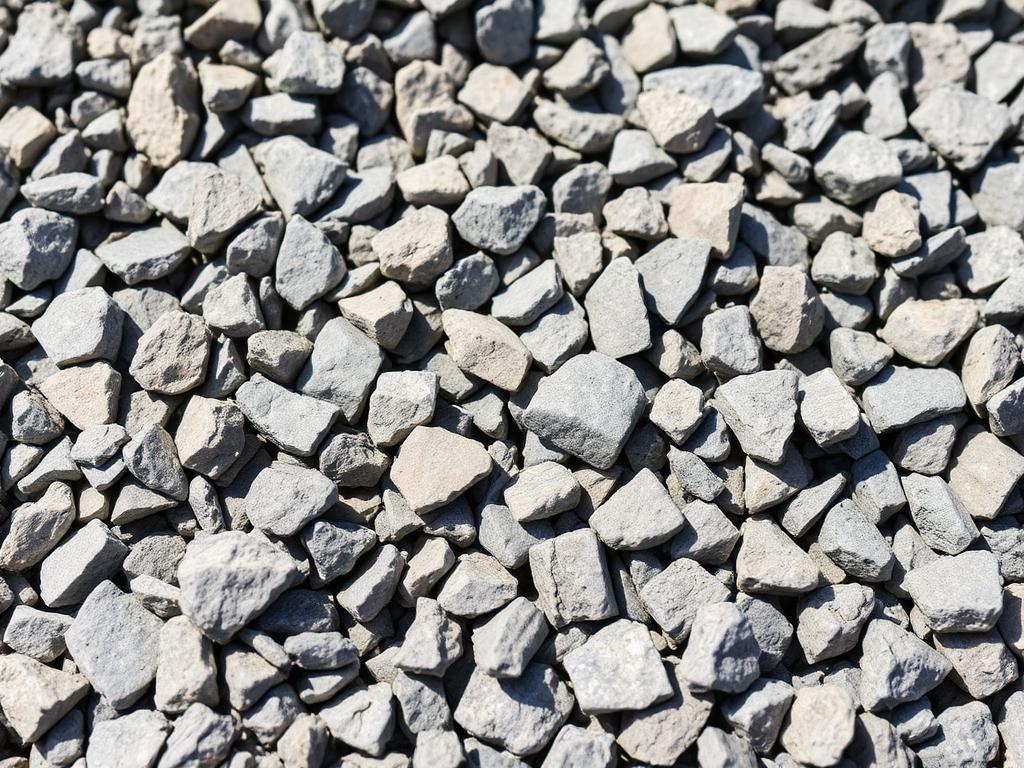
Crushed stone is what you specify when the surface has to take weight. The angular faces lock together instead of rolling, so driveways stay level and paths hold their shape. We grade and wash it in the size bands contractors ask for.
- Angular faces that compact and interlock
- Graded and screened to consistent bands
- Natural greys, buff, black and multi tones
- Bulk tonnage, jumbo bags or bagged for resale
Available sizes
- 2–6 mm
- 6–10 mm
- 10–20 mm
- 20–40 mm
- 40–70 mm
Applications
- Driveways and parking areas
- Path and patio sub-base
- Drainage and soakaways
- Gabion fill and erosion control
- Concrete and cast stone aggregate
Typical buyers
- Builders merchants
- Civil contractors
- Landscape supply yards
- Distributors
Choosing a size
10–20 mm is the default for decorative driveways: big enough not to track indoors, small enough to compact. 20–40 mm suits drainage and heavier traffic. 2–6 mm is a binding layer, not a finish layer.
Base preparation
Crushed stone only performs over a compacted, membrane-backed base with edge restraint. Laid straight onto soil it disappears into the ground within two seasons.
Coverage by size band
10–20 mm crushed stone at a compacted 50 mm depth covers roughly 10 square metres per tonne once you allow for compaction loss during rolling — always order 5–10% over the flat-area calculation to cover this. Finer 6–10 mm binding layers are usually specified by depth in millimetres, not tonnage per area, since they're a sub-base component rather than a finish.
Retail versus contractor packaging
Contractors buying by the truckload take bulk tonnage tipped on site; smaller landscapers and DIY buyers are better served by 800 kg–1 tonne jumbo bags with a bottom-discharge spout, which avoids the labour of shovelling loose bulk stone off a driveway.
A frequent mistake on drainage jobs
Specifying washed crushed stone for a driveway finish but unwashed for the sub-base beneath it, when it should usually be the reverse — unwashed material with retained fines compacts harder as a structural base, while the visible surface layer benefits from washing to look clean.
Pre-shipment inspection for graded material
Before loading, we screen-test a sample from each production run against the agreed size band and confirm it is free of oversize or undersize material and excess fines. For washed grades we also check the wash has cleared dust residue. Buyers who specify a written tolerance up front — for example, a maximum 5% outside the stated band — get a batch that matches on arrival rather than a dispute after unloading.
Colour variation across quarry batches
Crushed stone colour depends on the parent rock, and even within one quarry, natural greys and buffs can vary slightly batch to batch. For projects where visual consistency matters, such as a driveway laid in phases, we recommend ordering the full tonnage from one batch rather than topping up later from a different run, since a mismatch is far more noticeable in angular crushed stone than in mixed-tone pebble products.
Behaviour through freeze-thaw cycles
Well-graded, hard crushed stone does not itself degrade in freezing conditions, but a poorly compacted or undrained base beneath it can heave as trapped water freezes, pushing the surface layer out of level. Specifying a free-draining sub-base and adequate depth below the frost line in cold climates protects the finished surface far more than any property of the stone itself.
Wholesale, bulk and export details
This product is supplied on the same commercial basis as the rest of our range: quantity confirmed against container payload, packing quoted separately and documentation prepared to your broker's brief.
Questions buyers ask about crushed stone
- What is the difference between crushed stone and gravel?
- Gravel is naturally rounded; crushed stone is mechanically broken and angular. Angular material compacts and stays put, rounded material rolls.
- Which size is best for a driveway?
- 10–20 mm angular over a compacted base, with a firm edge. Larger sizes feel loose to drive on.
- Can you supply washed crushed stone?
- Yes. Washed material is cleaner in the bag and better for drainage applications.
- How much crushed stone do I need for a driveway sub-base?
- Typically 100–150 mm compacted depth of 20–40 mm crushed stone beneath a 10–20 mm decorative topping, which works out to roughly 200–250 kg per square metre across both layers.
- What's an alternative if crushed stone feels too sharp underfoot?
- Rounded pea gravel or river pebble in a similar size band, though note it won't compact or interlock the way angular crushed stone does for load-bearing use.
- How is crushed stone typically freighted?
- As bulk tonnage in 20ft or 40ft containers, loaded loose to maximise payload rather than bagged, since bagging adds cost buyers rarely need for a sub-base material.
- Do you inspect crushed stone before it ships?
- Yes — each production run is screen-tested against the agreed size band and checked for excess fines or oversize material before loading, against a written tolerance if you specify one.
- Can crushed stone colour vary between orders?
- Yes, slightly, since it depends on the parent quarry rock. For a phased project where consistency matters, ordering the full tonnage from one batch avoids a visible mismatch later.
Related products
Pathway & Driveway Pebbles
Driveway gravel, pathway pebbles and decorative gravel exported from India for landscaping contractors, distributors and commercial project buyers.
Pea Gravel
Pea gravel in rounded 6–12 mm grades for pathways, patios, playgrounds and garden beds. Bulk tonnage, jumbo bags or retail packs, washed and screened.
Gabion Stone
Gabion stone and gabion rock fill graded 60–200 mm for retaining walls, cages, erosion control and architectural gabion features. Bulk supply.
Browse the full decorative pebble and landscaping stone range (43 product pages).
Where we ship crushed stone
- Decorative Pebbles Exporter from India to the USA
- Decorative Pebbles Exporter from India to the United Kingdom
- Decorative Pebbles Exporter from India to the UAE
- Decorative Pebbles Exporter from India to Saudi Arabia
- Decorative Pebbles Exporter from India to Qatar
- Decorative Pebbles Exporter from India to Kuwait
- All export markets we supply
Other pebble colours, finishes and grades we export
By colour
By finish
By application
Gravel, rock & pavers
- Pea gravel
- Decomposed granite
- Crushed granite
- Limestone gravel
- Slate chippings
- Crushed stone
- Decorative rock & gravel
- Landscape rocks
- Decorative gravel
- Marble chips
- White quartz pebbles
- Black lava rock
- Mexican beach pebbles
- Landscape boulders
- Flagstone paving
- Cobblestone pavers
- Stepping stones
- Pebble tiles
- Gabion stone
Request pricing for crushed stone
Send the size band, quantity, packing format and destination port. We reply with a quotation and current batch photographs.
WhatsApp and phone only — +91 63772 07567. We do not use enquiry forms.