Decorative Pebbles Export Process
Eight steps, in the order they actually happen. Most delays in stone sourcing come from skipping step two or three, so we do not shortcut them.
1. Enquiry on WhatsApp
Send your products, size bands, quantity, packing preference and destination port. A short, specific message is quoted faster than a long general one.
2. Specification review
We confirm which grades match your use, flag anything natural stone cannot guarantee, and suggest alternatives where a specification is impractical.
3. Samples and batch photographs
Samples are drawn from the grade you intend to buy. Photographs of the current sorting batch are shared so you approve what will actually ship.
4. Quotation and terms
You receive stone and packing as separate lines, with quantity confirmed against container payload for your destination, plus your chosen Incoterm and validity period.
5. Order confirmation
Specification, packing, marking and delivery expectations are recorded in the proforma so both sides work from one document.
6. Sorting, washing and packing
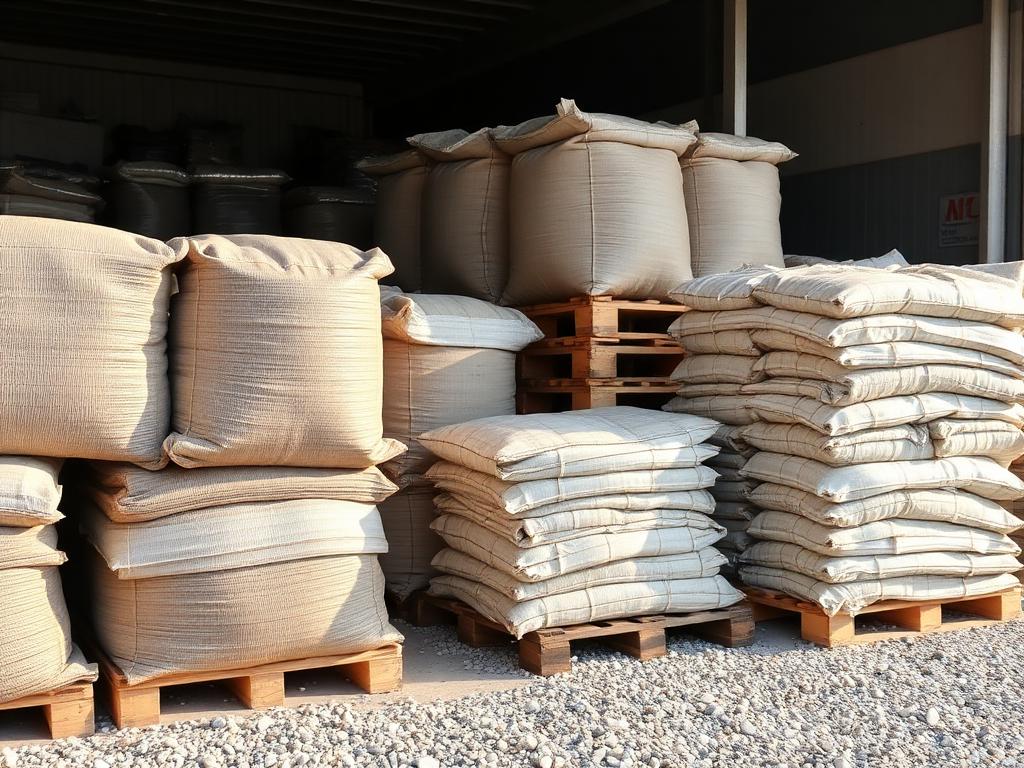
Material is graded and packed to the agreed format. Polished grades are packed to protect the finish; timber packaging is ISPM-15 compliant where wood is used.
7. Loading and documentation
The container is loaded to the permitted payload, and the document set is prepared to match what your customs broker specifies for the destination.
8. Shipment and follow-up
Shipping documents are shared as they are issued. Keep a retained sample at your end so anything raised on arrival can be compared factually.
Documents at each stage
| Stage | Document | Note |
|---|---|---|
| At quotation | Proforma invoice | States product, specification, packing, quantity, price and terms |
| Before shipment | Draft commercial invoice & packing list | Reviewed for accuracy before the container is sealed |
| At shipment | Bill of lading | Issued by the shipping line once the container is loaded |
| At shipment | Certificate of origin | Confirms the goods originate in India, where required at destination |
| Per broker's brief | Any destination-specific document | Prepared to match what your customs broker requires for your country |
What commonly causes delays
- — A specification agreed verbally rather than confirmed in writing
- — Samples approved from a batch different to the one that ships
- — Packing decided after quantity, instead of before it
- — Documentation requirements confirmed with the broker too late
- — Payment or Incoterm details left open past order confirmation
Incoterms explained
We commonly quote on FOB or CIF terms. Both are standard international trade terms — neither is inherently better, and the right choice depends on your own freight arrangements and experience importing by sea.
| Incoterm | We are responsible for | You are responsible for |
|---|---|---|
| FOB (Free on Board) | Delivering the container to the loading port and loading it aboard | Sea freight, marine insurance and clearance at destination |
| CIF (Cost, Insurance & Freight) | Sea freight and insurance to your nominated destination port | Customs clearance and onward transport from that port |
If you are new to importing by sea, CIF is often simpler to start with since freight is arranged for you. If you already have an established freight forwarder and rates, FOB may work out more cost-effective. Tell us your preference and we will quote accordingly.
What affects how long each stage takes
We avoid quoting a blanket lead time because these factors genuinely change it order by order — but they are the ones worth asking about at quotation stage.
- — How quickly specification and samples are approved on your side
- — Whether the size bands and colours ordered need extra sorting time
- — The packing format chosen, since printed or made-to-order packing takes longer than standard bags
- — Vessel booking and space availability on your specific route
- — How quickly documentation requirements are confirmed with your broker
Useful next reads
Process FAQs
- How long does an export order take?
- It depends on product, quantity, packing and vessel schedules, so timing is confirmed with each quotation rather than promised as a standard lead time.
- Who arranges freight?
- Either side can. On FOB terms you arrange it; on CIF we include sea freight and insurance to your nominated port.
- What if a size band is short at loading?
- We tell you before loading and agree a substitution or a revised quantity in writing. Silent substitution is never acceptable.
- Can we inspect the container before it is sealed?
- We share loading photographs as standard; a live video call at loading can also be arranged for larger or first-time orders.
- What should we prepare before the container arrives?
- Confirm your customs broker, unloading equipment and storage space in advance, and keep the retained sample and shipping documents to hand for clearance and inspection.
- What is the difference between FOB and CIF in practice?
- On FOB, we deliver the container to the loading port and you arrange and pay for sea freight and insurance onward. On CIF, we arrange freight and insurance to your nominated destination port, and you handle customs clearance from there.
- Can the process be shortened for a repeat order?
- Yes — once a specification and packing format are agreed and referenced, later orders can often skip the full review stage, though sampling and photographs are still worthwhile checks.
- Who is responsible for the goods during sea freight?
- This depends on the Incoterm agreed. Confirm it in writing at quotation stage so responsibility during transit is clear to both sides before shipment.
Start at step one
Message our export team with your requirement and we will take it from enquiry through to loading.
WhatsApp and phone only — +91 63772 07567. We do not use enquiry forms.