For contractors and specifiers choosing a surface material
The Difference Between Decorative Pebbles and Landscaping Gravel
They are used interchangeably in conversation and behave very differently on site. The difference is shape, and shape decides performance.
Shape and how it behaves
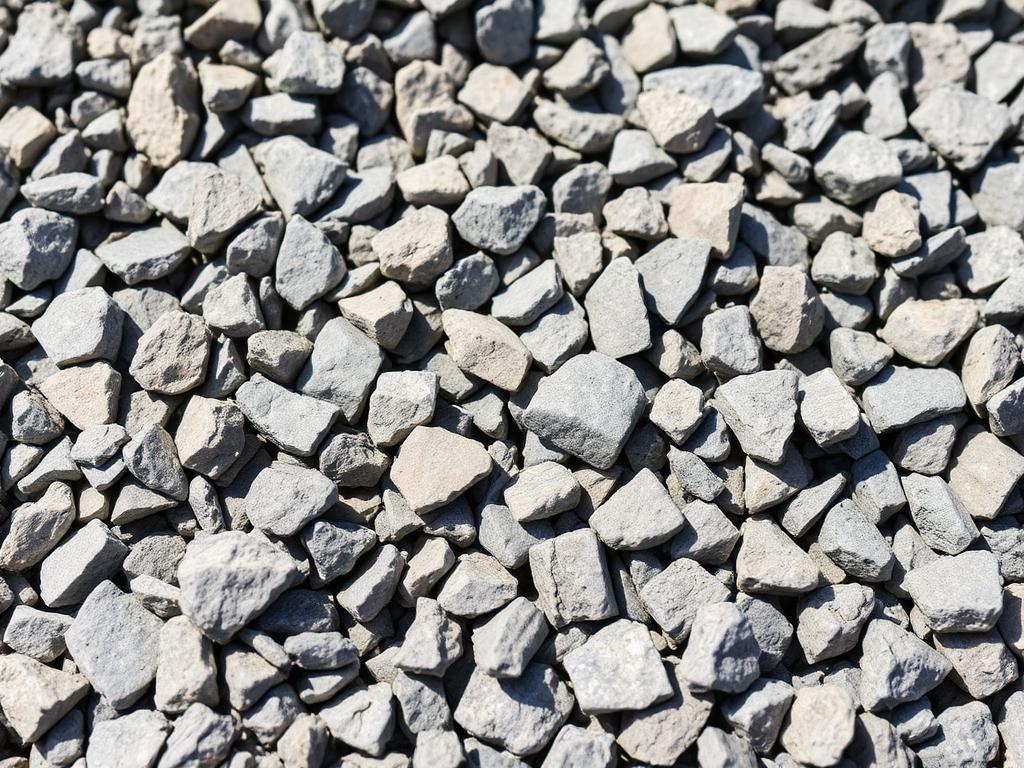
Pebbles are rounded by water or tumbling, so they roll and settle loosely. Gravel is crushed, so the angular faces lock together and hold a surface. That single difference explains almost every performance gap between them.
Where each one wins
Gravel is the right answer for driveways, parking bays and paths that carry weight. Pebbles are the right answer for beds, borders, water features and anywhere the look matters more than load-bearing performance.
Appearance
Pebbles read as smooth, natural and finished, and photograph much better in a decorative scheme. Gravel reads as functional, though decorative chippings narrow that gap.
Cost
Pebbles usually cost more per tonne because sorting and washing are more involved. Many projects use gravel for the trafficked area and pebble for the visible edges to balance the two.
Drainage performance
Rounded pebble tends to leave slightly larger voids between stones, which can help surface drainage in some beds, while angular gravel compacts tighter and is generally the better choice directly over a load-bearing sub-base.
Combining both in one scheme
Many practical schemes use gravel for the trafficked or structural area and pebble for the visible decorative edge, getting load-bearing performance and finished appearance from the same footprint.
A quick decision checklist
Use these questions to decide between pebble and gravel for a given area.
- — Will the area carry vehicle or heavy foot traffic?
- — Is the surface directly over a load-bearing sub-base?
- — Is drainage or appearance the higher priority for this area?
- — Is the area exposed to running or standing water?
- — Does the budget allow pebble for visible edges even if gravel is used elsewhere?
Worked example: a driveway with pebble borders
A typical specification might use angular gravel across the full trafficked driveway width, with a narrow band of larger decorative pebble along the border where vehicles do not pass. This keeps the load-bearing surface stable while giving the finished, rounded appearance where it is purely visual, and it usually costs less overall than laying pebble across the entire trafficked area.
Related questions
- Can pebble and gravel be combined in the same project?
- Yes, this is common practice — gravel where load-bearing performance matters, pebble where appearance is the priority.
- Which drains better, pebble or gravel?
- Rounded pebble can leave slightly larger voids that assist surface drainage, though sub-base preparation matters more than the surface material alone.
Products covered in this guide
More guides in our export resources library (10 guides), or browse country export pages.