For importers comparing packing formats
Export Packaging for Natural Stones
Packing is not an afterthought on a stone shipment. It determines handling cost, damage risk and how much product fits in the container.
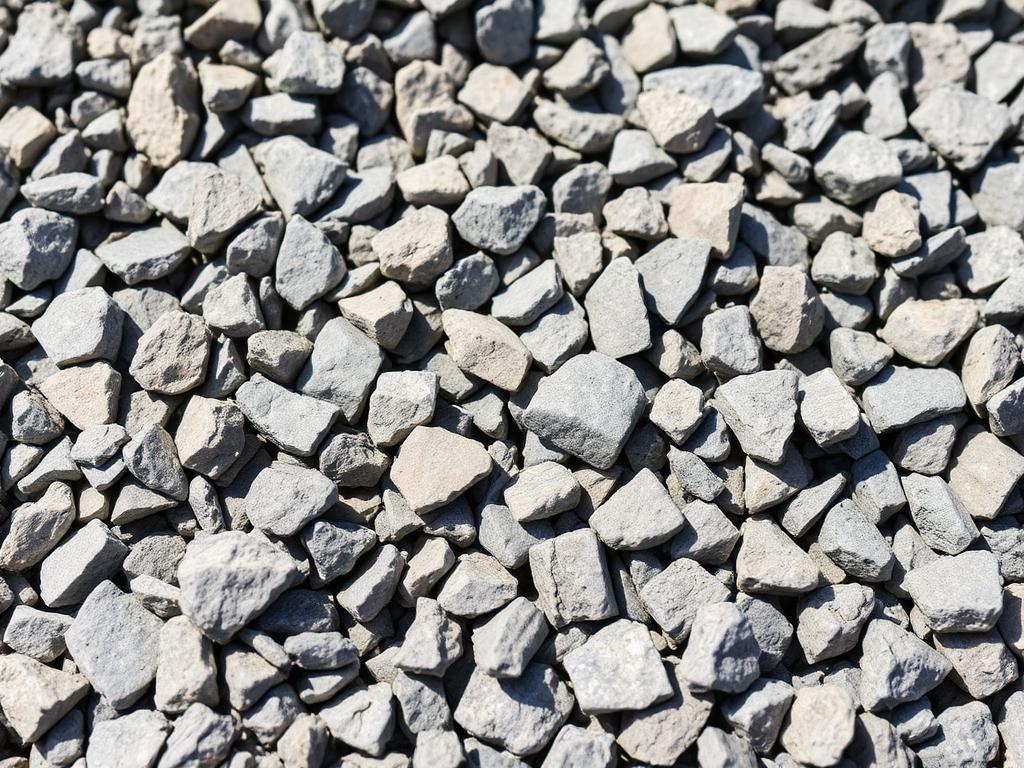
Loose bulk
Lowest packing cost, highest handling cost at the destination. Suitable only where you have equipment and space to move loose material and no need to resell in units.
Woven bags (20–25 kg)
The most common retail-ready format. Easy to stack on pallets, easy to sell through a merchant or garden centre, and manageable by one person.
Jumbo bags (roughly 1,000–1,500 kg)
Efficient for contractors and yards with a forklift. Fewer units to handle, lower packing cost per tonne, but no retail presentation.
Retail packs
Printed pouches, mesh bags and tubs for shelf sale. Highest packing cost, highest sale value per kilogram, and requires artwork and specification agreement in advance.
Pallets and timber
Where wooden pallets are used, they must comply with ISPM-15 heat treatment for most destinations. Confirm pallet size and stacking height against your own handling equipment.
Printed pouches versus plain retail bags
Printed pouches carry your branding and sell at a premium, but require artwork approval and usually a minimum quantity. Plain bags with a printed label are a faster, lower-cost middle ground for a first retail range.
Container utilisation and packing choice
Loose bulk and jumbo bags generally use container space most efficiently by weight, while retail packs and pallets take up more volume relative to their weight, reducing the tonnage that fits in a single container.
A packing decision checklist
Use this to narrow down a packing format for your order.
- — Do you have a forklift or equipment to handle jumbo bags?
- — Will the product be resold in retail units or moved in bulk?
- — Does your storage space suit pallets, or is floor space limited?
- — Is branding on the pack important for your channel?
- — Have you confirmed timber packaging complies with your destination's requirements?
Worked example: comparing two packing formats
For a distributor supplying garden centres, 20 kg woven bags on pallets suit shelf sale and manual handling, at a higher packing cost per tonne than bulk. For a landscaping contractor buying for direct site delivery, jumbo bags reduce packing cost and handling time but offer no retail presentation. Matching the format to how the material actually leaves your yard, rather than defaulting to one format, is usually the deciding factor.
Related questions
- Is a printed pouch worth it for a first order?
- Often a plain bag with a printed label is a more practical starting point; printed pouches usually make more sense once a product line is established.
- Does packing format change how much fits in a container?
- Yes, bulkier retail packs and pallets reduce the tonnage that fits compared with loose bulk or jumbo bags.
Products covered in this guide
More guides in our export resources library (10 guides), or browse country export pages.